Heat Pump Maintenance Checklist for Homeowners
A heat pump works harder than most HVAC equipment because it runs year-round - heating in winter and cooling in summer - rather than sitting idle for half the year. That extra work makes regular maintenance more important, not less. The good news is that most of the maintenance tasks a heat pump needs are straightforward and require nothing more than a few household tools and an hour or two per season.
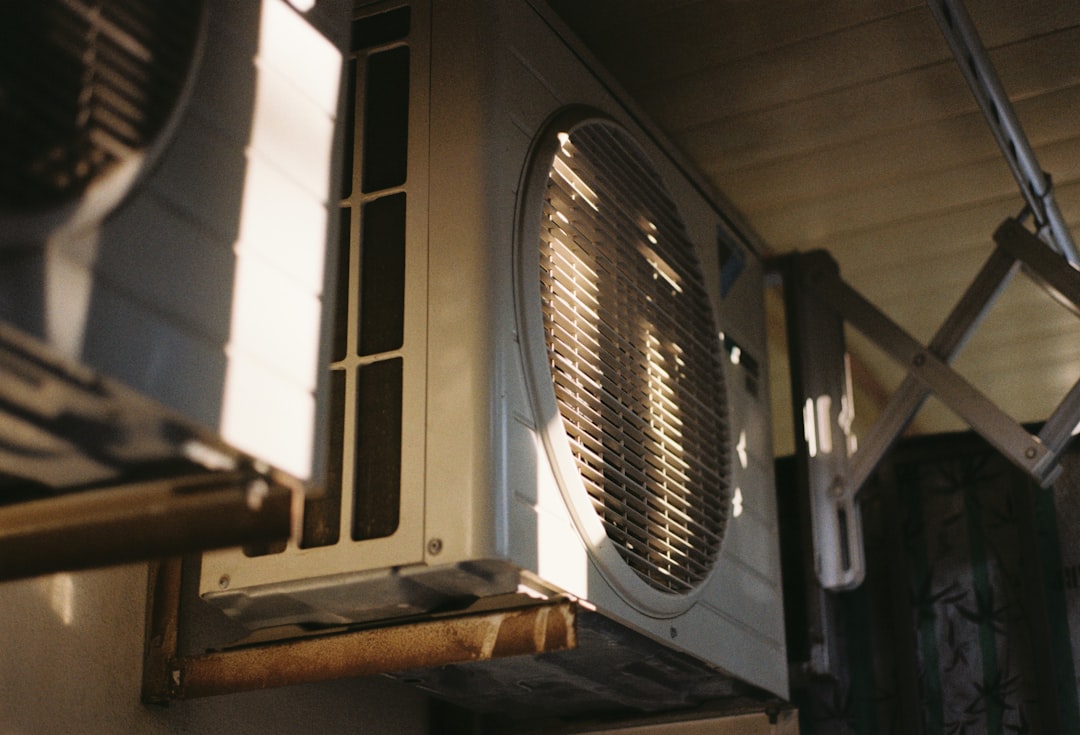
Safety notice: Before cleaning or inspecting any component of your heat pump, switch the system off at the thermostat and turn off the disconnect box located near the outdoor unit. The capacitor inside the outdoor unit stores a charge even after power is cut - do not open electrical panels or touch internal wiring. If you notice ice buildup on refrigerant lines, burning smells, or anything that requires opening the cabinet beyond the filter or coil access panel, stop and call a licensed HVAC technician. Always test your CO detector when performing any seasonal HVAC maintenance.
Why Heat Pump Maintenance Matters More Than You Think
Heat pumps move heat rather than generate it, which makes them highly efficient - but that process relies on clean coils, unobstructed airflow, and properly charged refrigerant to work correctly. When any one of those factors degrades, efficiency drops and the system compensates by running longer.
In our experience helping homeowners troubleshoot heat pump problems, the majority of service calls we hear about stem from one of three avoidable issues: a clogged air filter, a dirty or blocked outdoor unit, or a coil that has not been cleaned in years. A consistent maintenance schedule eliminates all three.
Energy Star estimates that a properly maintained heat pump can last 15 years or more. Neglected systems often need replacement in 10. The time you invest in routine maintenance pays for itself many times over.
Monthly Maintenance Tasks
Monthly tasks are quick - usually five minutes or less. Build them into a habit and you will catch problems before they grow.
Check and Replace the Air Filter
This is the single most important thing you can do for your heat pump. A clogged filter restricts airflow through the air handler, forces the blower motor to work harder, and can cause the indoor coil to freeze in cooling mode or overheat in heating mode. Both are expensive outcomes.
Check the filter every 30 days. Replace it when it looks gray or dark, or on a set schedule regardless of appearance. Homes with pets or allergy sufferers typically need filter changes every 30 days. A single-occupant home with no pets may stretch to 60 days. For a full guide on reading filter condition and choosing the right MERV rating, see our post on how to change your HVAC air filter.
Clear the Area Around the Outdoor Unit
Walk around the outdoor unit and remove anything within 18 to 24 inches: leaves, mulch that has crept inward, weeds growing up through the base, or anything stored near the unit. Airflow restrictions at the outdoor coil reduce the system’s ability to transfer heat and will drop efficiency noticeably. This takes two minutes and costs nothing.
Seasonal Maintenance Tasks
Twice a year - ideally in early spring before cooling season and in early fall before heating season - spend an hour on a more thorough inspection.
Clean the Outdoor Condenser Coil
The outdoor unit’s coil is exposed to everything: pollen, cottonwood seeds, grass clippings, insects, and airborne dirt. Over time this debris packs into the fins and blocks airflow. A dirty condenser coil forces the refrigerant to work at higher pressures, which raises electricity consumption and stresses the compressor.
With the unit powered off at the disconnect:
- Remove any loose debris from the top of the unit and around the base
- Use a garden hose (not a pressure washer) to rinse the coils from the inside out if your unit allows top access, or from the outside in at a low angle
- For heavier buildup, apply a no-rinse coil cleaner spray and let it foam and drip away before rinsing
- Straighten any bent aluminum fins using a fin comb - bent fins restrict airflow the same way a clogged coil does
When we serviced our own outdoor unit after skipping cleaning for two seasons, the difference in efficiency was measurable: the system reached setpoint noticeably faster after cleaning than before. It is not a subtle improvement.
For a full walkthrough of condenser coil cleaning technique, see our guide on how to clean AC condenser coils.
Inspect the Outdoor Unit’s Fins
After rinsing, look closely at the aluminum fins that wrap around the outside of the unit. These are thin and bend easily from lawn debris, hail, or accidental contact. Bent fins reduce airflow and heat exchange efficiency. A fin comb straightens them quickly - you simply drag the correct-width comb tines across the bent section.
You do not need to straighten every fin perfectly. Focus on areas where fins are crushed flat over a visible area, as those cause the most restriction.
Check the Refrigerant Lines for Ice or Insulation Damage
The two copper refrigerant lines running from your outdoor unit into the house should be insulated - typically with black foam. The larger line (the suction line) is the one that sometimes develops ice in cooling mode if there is a problem. Inspect the insulation: if it is cracked, brittle, or missing in sections, it reduces efficiency and can allow condensation to drip. Foam pipe insulation is inexpensive and straightforward to replace on accessible sections.
If you see ice on the refrigerant lines during normal operation, do not ignore it. Ice buildup usually means restricted airflow (often a clogged filter) or low refrigerant charge. Check the filter first. If the filter is clean and ice persists, call a technician.
Test Both Heating and Cooling Modes Before the Season
Before cooling season begins in spring, run the system in cooling mode on a day warm enough to actually run the compressor (usually above 60 degrees F). Let it run for 15-20 minutes and verify that air coming from the supply vents is noticeably cooler than your indoor air. Before heating season begins in fall, test heating mode and confirm the system produces warm air.
Catching a problem in early spring or early fall gives you time to schedule a service call before the season’s demand peaks and technician availability drops.
Clear Condensate Drain and Pan
Heat pumps in cooling mode produce condensation from the indoor coil, which drains through a condensate line. If this line clogs with algae or debris, the overflow pan fills and you may get water damage near the air handler. Flush the condensate drain line with a cup of distilled white vinegar every season. If your system has a float switch (a safety that shuts the system off when the pan fills), test it by pouring a small amount of water in the pan and confirming the system stops.
Annual Professional Maintenance
Some tasks require a licensed HVAC technician. Plan for one professional inspection per year - either in spring before cooling season or in fall before heating season, not both unless you have a reason.
A professional visit should include: measuring refrigerant charge and pressure, checking electrical connections and capacitor condition, inspecting the heat exchanger (on dual-fuel systems), lubricating motor bearings if not sealed, and verifying defrost cycle operation. Refrigerant work legally requires EPA 608 certification - this is not a DIY task.
If your technician finds refrigerant below specification, do not simply have it recharged without also finding the leak. A system low on refrigerant has a leak somewhere, and recharging without locating it just delays the same problem.
Signs Your Heat Pump Needs Service Now
Do not wait for your next scheduled maintenance if you notice any of the following: the system is blowing air that is not noticeably warmed or cooled relative to return air, run times are much longer than usual with no change in weather, unusual sounds during startup or shutdown (grinding, squealing, or rattling), ice on the outdoor unit outside of normal defrost cycles, or your electricity bill rising sharply with no change in thermostat settings.
What You Should Never DIY on a Heat Pump
A few tasks are firmly in the licensed-technician category: adding or recovering refrigerant, replacing capacitors or contactors inside the electrical cabinet, diagnosing or repairing the reversing valve, and anything involving refrigerant line repairs. Working on live electrical components or pressurized refrigerant systems without training creates serious risk of personal injury. Know where the line is.
Recommended Products
Nu-Calgon 4171-75 Evap Foam No Rinse Evaporator Coil Cleaner - A self-rinsing foam cleaner designed for indoor evaporator and air handler coils. Spray on, let it foam, and the condensate rinses it away during normal operation. Widely used by HVAC technicians for quick indoor coil cleaning without disassembly. One can is enough for several seasonal treatments.
Malco Fin Comb for AC Condenser and Evaporator Fins - A multi-tooth comb that fits multiple fin spacings. After rinsing the outdoor unit, work any visibly bent fin sections with this comb to restore airflow. The Malco is the tool HVAC technicians actually use - it is more precise and less likely to cause additional damage than improvised tools.
Simple Green 0610001213414 Purple Coil Cleaner - A biodegradable, non-acid cleaner well-suited for outdoor condenser coils. Dilute per the instructions, apply with a brush or pump sprayer, let it soak for a few minutes to break down organic buildup, then rinse with a hose. Effective on the kind of pollen and cottonwood buildup that accumulates over a full season.
Keep this checklist somewhere useful - a note in your phone, a tag on the unit itself, or a calendar reminder each spring and fall. The homeowners who rarely have HVAC problems are almost always the ones who do a handful of simple maintenance tasks consistently, rather than waiting for something to break. You might also want to review our how to change your HVAC air filter guide if you have not checked that recently - it is the highest-leverage single task on this list.
Have questions about your specific heat pump setup? Drop a comment below.
As an Amazon Associate we earn from qualifying purchases at no extra cost to you.